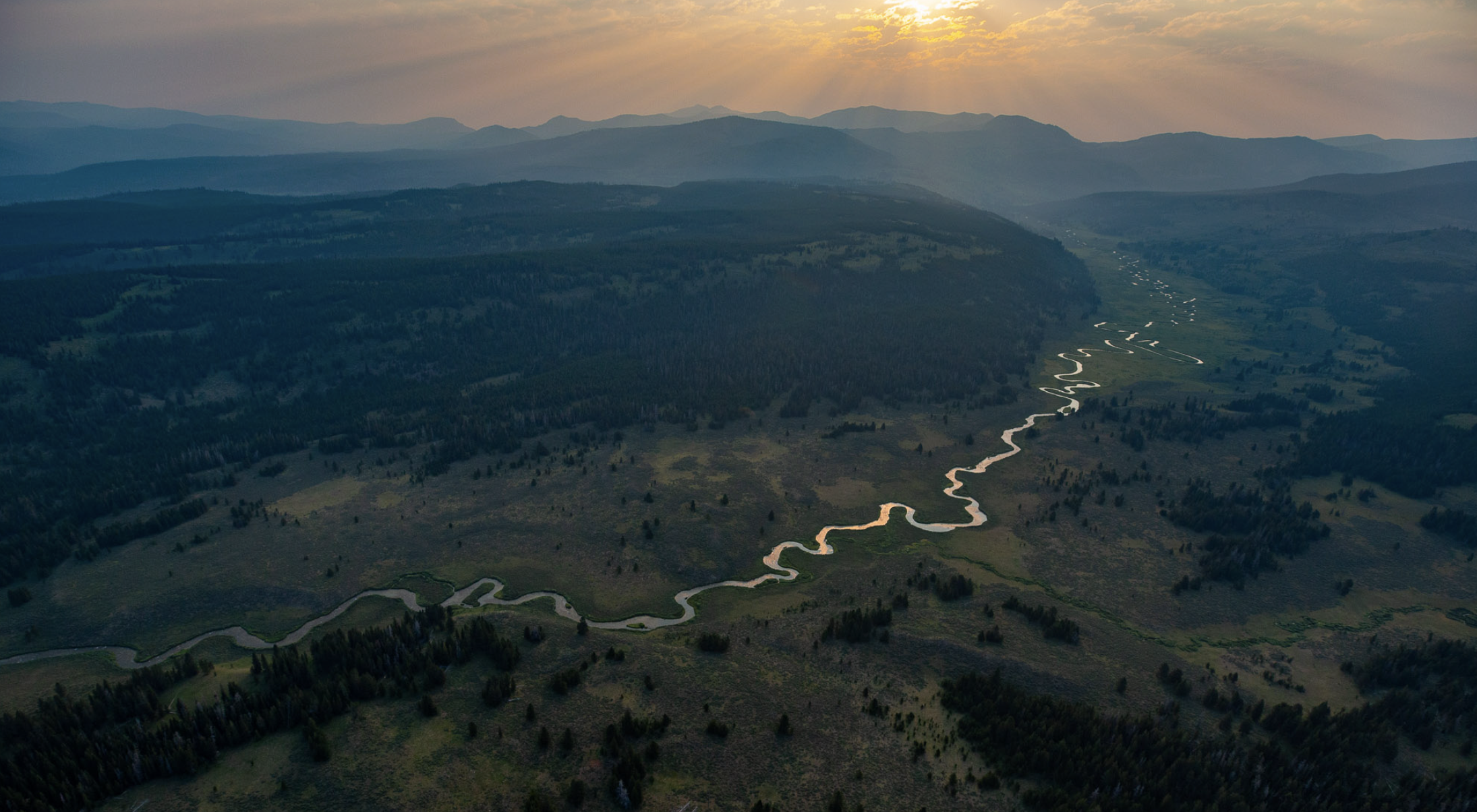
Gallatin Water Trust works to balance the use of Montana’s limited water resources with the needs of fish and wildlife, agriculture, and our growing population.
Our primary objective will be to develop a market for water users to change and exchange water rights, ensuring that existing water users nor Montana’s fisheries are harmed.
photo credit: kestrelaerial.com
Website will be launching in 2026
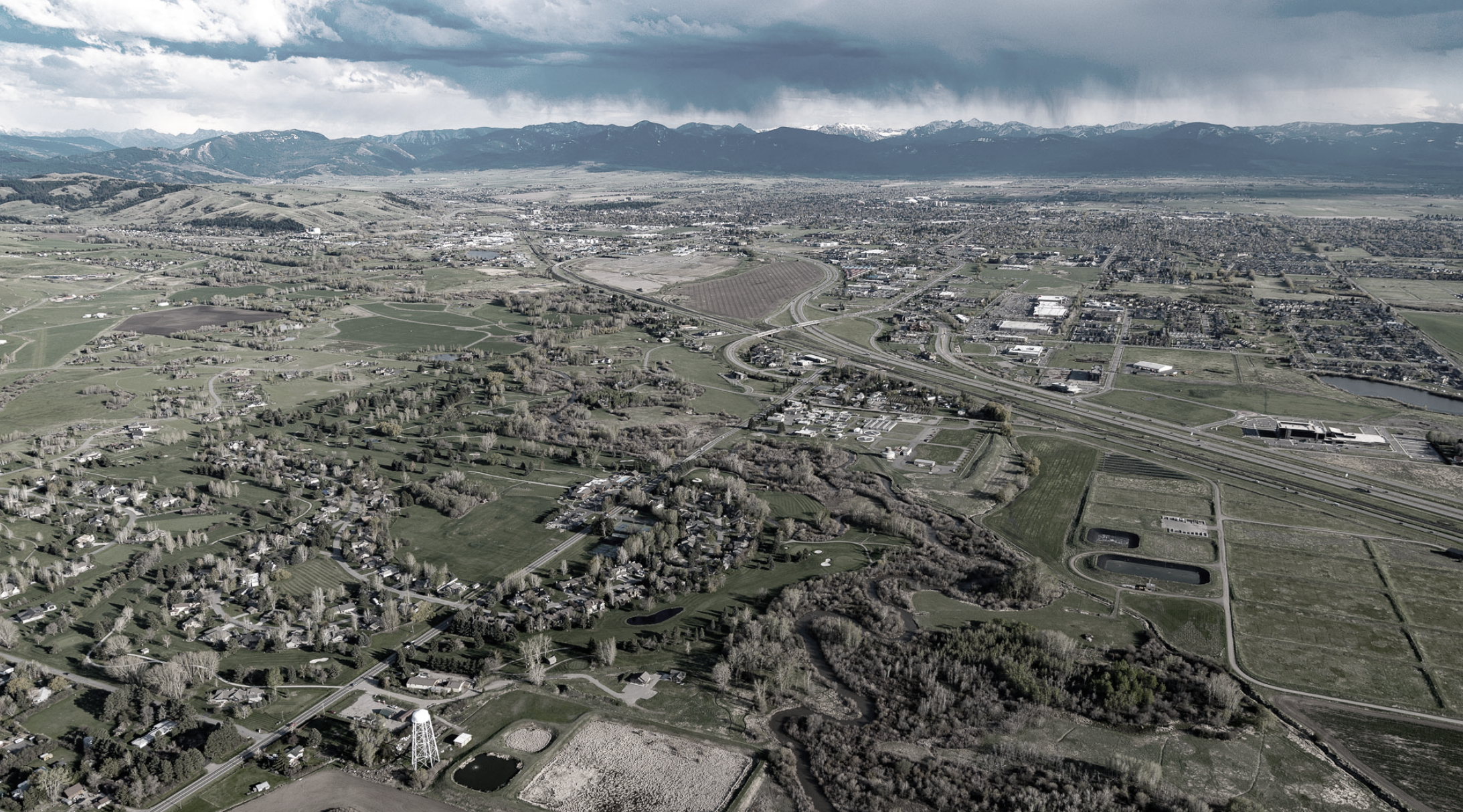
We All Rely on Water Rights
How water rights are managed affects everyone — from municipal systems to agriculture to fish and wildlife.
Drinking water
Irrigation
Recreation

Water rights are usually tied to the land where water has historically been used, but they are separate from property ownership. Owning land does not automatically mean you own the water.

A water right defines:
WHO CAN USE IT
HOW MUCH CAN BE USED

WHERE IT CAN BE USED
PURPOSE IT CAN BE USED
Why It Matters in the Gallatin?
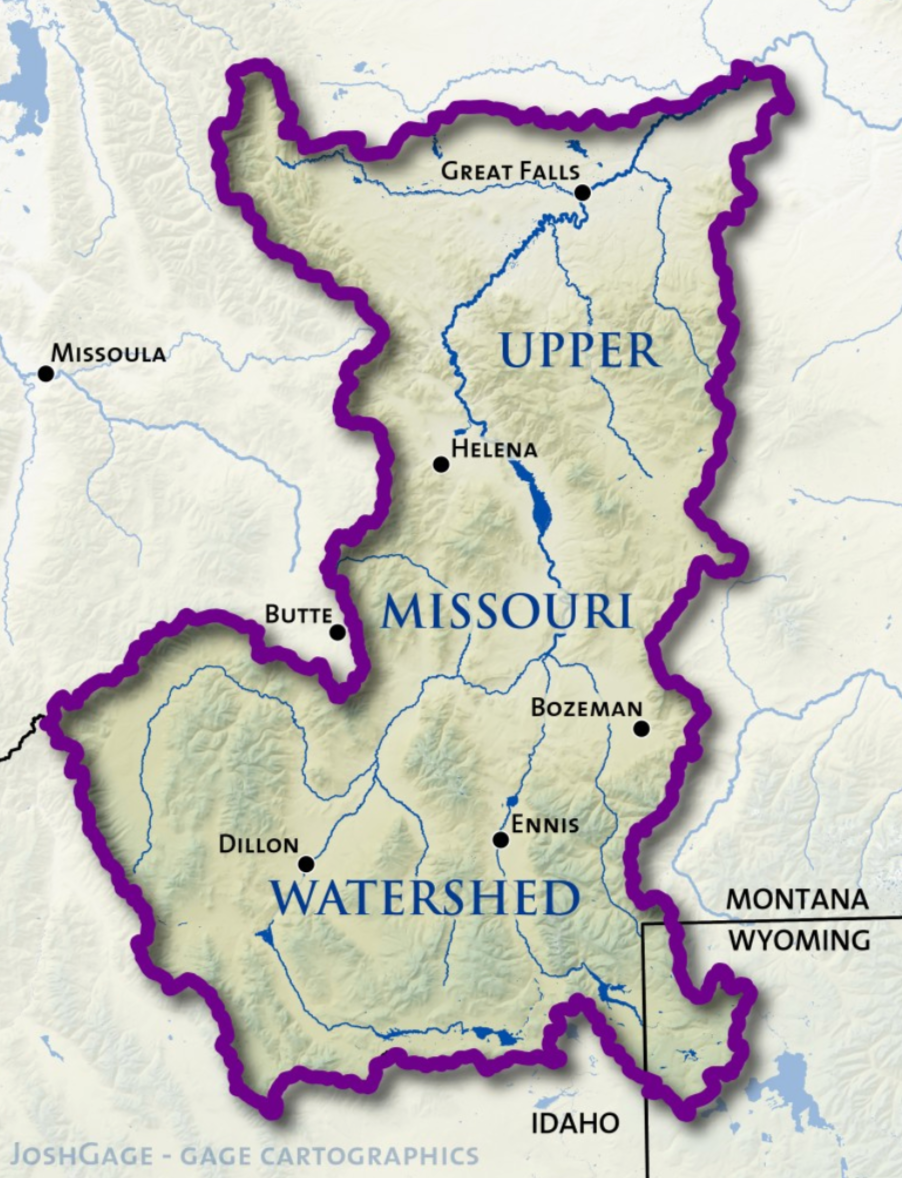
The Gallatin Watershed is part of the Upper Missouri Basin.
The Upper Missouri River Basin stretches across southwest and central Montana and begins at the headwaters in Three Forks, where the Gallatin, Madison, and Jefferson Rivers join to form the Missouri.
Because the Gallatin River flows directly into the Missouri at this point, the Gallatin Watershed is part of the Upper Missouri Basin.
Why can’t someone just get a new water right?
The Upper Missouri Basin has been legally designated a closed basin since 1993. This means:
No new surface water rights can be issued
Any new use must come from an existing water right
New water demands must be offset through donation, lease, or transfer of an existing right
In other words, every drop from rivers, lakes, and reservoirs is already allocated — so any new use must be balanced by adjusting existing rights.
Montana’s water is limited — and in the Gallatin Valley, surface and groundwater resources are heavily appropriated. The Gallatin River is part of the Upper Missouri River Basin, which spans southwest and central Montana and begins at the headwaters in Three Forks, where the Gallatin, Madison, and Jefferson Rivers meet.
Because the Gallatin flows into the Missouri at this point, the entire Gallatin Watershed is part of the Upper Missouri Basin.
Since 1993, this Basin has been legally designated a closed basin, meaning:
No new surface water rights can be issued
Any new use must come from an existing water right
Changes must not harm existing users or Montana’s fisheries
This creates a complex and highly regulated environment for anyone who owns or needs water.
The Gallatin Water Trust exists to help navigate these challenges — and to ensure water is managed responsibly as our population, economy, and environmental pressures grow.
What about Groundwater
In Montana, drilling a new well requires a permit from the Department of Natural Resources and Conservation (DNRC).
Because groundwater and surface water are connected, new wells can reduce streamflow or impact other water users. To prevent harm, most new uses must be mitigated — meaning the impact must be offset using an existing water right.
Gallatin Water Trust helps make this possible by connecting new users with water rights that can be donated, leased, or transferred to meet mitigation requirements and ensure the use is legally sound.
Gallatin Water Trust helps people reallocate or secure water rights and ensures every change is legally sound and put to responsible use.